Comparing Steel and Alloy GM Dually Wheels
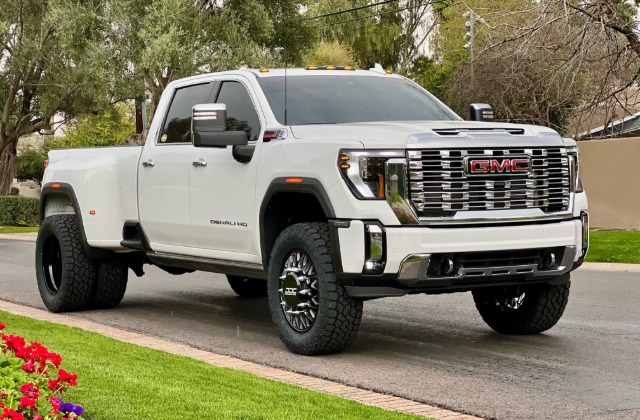
A GM dually depends on six wheels to support substantial weight and maintain confidence under demanding road conditions. That responsibility makes wheel material an important consideration for owners who expect their trucks to handle serious work without sacrificing appearance.
Steel holds a strong place within the heavy-duty truck market due to its straightforward construction and dependable character. Alloy wheels offer a different approach, with advanced production methods that support strength alongside refined exterior designs. Understanding how these materials react to real truck use gives owners a clearer sense of what each option can provide.
The difference between steel and alloy GM dually wheels reaches far beyond exterior appearance. Material composition affects wheel mass and influences how a wheel responds to road impacts, moisture, repeated loads, and routine maintenance.
Difference Between Steel and Alloy
Steel and alloy wheels can suit GM dually trucks, but each material responds differently to demanding road conditions and heavy-duty use. This closer look at their individual characteristics can help owners understand how each material fits different truck requirements:
Steel Wheels
- Construction: Steel wheels use dense iron-based material that creates a solid structure suited to demanding truck applications.
- Durability: The material can tolerate substantial road force and may bend rather than fracture when exposed to a severe impact.
- Weight: Steel typically carries more mass, which can place additional demands on suspension components across rough or uneven roads.
- Appearance: Most steel designs feature a simple, functional profile that complements commercial trucks and other purpose-focused GM dually builds.
- Maintenance: Surface damage can expose bare metal to moisture, making regular inspection important for rust prevention and finish preservation.
Alloy Wheels
- Construction: Alloy wheels commonly use aluminum-based materials that support strong structures with less mass than many comparable steel designs.
- Road Response: Reduced wheel mass can help the suspension react more effectively when a truck encounters bumps, pavement seams, or surface changes.
- Corrosion Resistance: Aluminum does not develop traditional red rust, although proper care remains important for finish protection and appearance.
- Design: Alloy gives manufacturers greater freedom to create detailed profiles, distinctive spoke patterns, and refined finishes for custom dually applications.
- Heavy-Duty Use: Properly engineered alloy wheels can support substantial truck demands when their specifications match the vehicle and intended application.

How Wheel Weight Changes the Driving Experience
A steel wheel normally carries greater mass than a comparable aluminum alloy wheel. Drivers may notice that difference through the way the suspension reacts when tires encounter rough pavement or abrupt surface changes. More unsprung weight asks suspension components to control additional mass each time the wheel moves across an uneven section of road.
An alloy wheel can reduce that burden when its specific construction results in a lighter finished product. Reduced wheel mass may help the suspension respond with greater precision and can contribute to a more composed feel across changing road surfaces. Actual results still depend on the complete wheel design because diameter and structural requirements can alter final weight considerably.
Strength Means More Than Material Choice
Steel has a strong reputation in work-truck environments because the material can tolerate substantial force before damage prevents normal service. Under a severe impact, steel may deform rather than develop the type of fracture that can occur with some other materials. That behavior does not make every steel wheel equally capable since structural design remains a major part of overall strength.
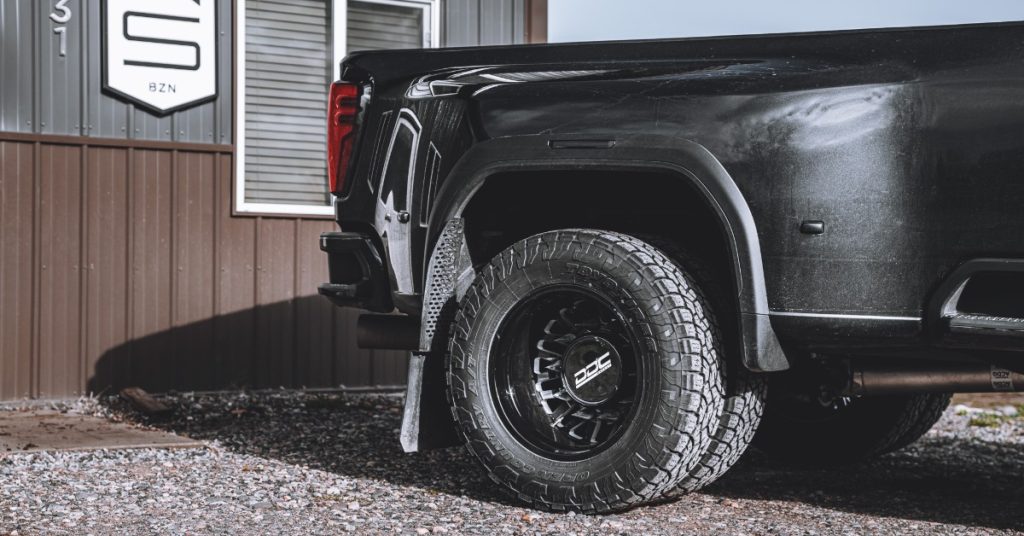
Quality alloy wheels can meet substantial heavy-duty demands when their design and production standards suit dually applications. DDC Wheels offers forged options within its dually range that support serious truck use without forcing owners toward conventional steel construction. A properly engineered alloy wheel can provide the structural confidence that GM dually owners expect from equipment intended for demanding service.
Corrosion Creates a Different Challenge for Each Material
Steel requires a protective surface because exposed metal can develop rust once moisture reaches an area where paint or another finish has failed. Small chips may seem insignificant at first, but repeated contact with water and road salt can allow corrosion to spread beneath nearby surfaces. Regular attention becomes especially valuable for trucks that spend substantial time in harsh climates or wet work environments.
Aluminum alloy does not develop traditional red rust in the same manner as steel. Its surface can still suffer oxidation or cosmetic damage when road contaminants remain present or unsuitable cleaners attack the wheel finish. Proper care helps preserve the polished or dark finishes available across many modern dually wheel designs without demanding complicated maintenance routines.

Proper Fitment Defines a Successful Dually Setup
A dually wheel cannot rely on appearance or material quality alone. The relationship between the wheel and truck must remain precise because incorrect dimensions can create clearance concerns and interfere with proper tire placement. Rear dual-wheel configurations make this issue especially important since tires must maintain an appropriate relationship under normal road loads.
DDC Wheels develops its dually systems around direct attachment to compatible OEM dually chassis. This approach eliminates the need to treat fitment as an improvised part of the installation process. Hub-centric construction also supports a precise relationship between the wheel and vehicle, giving owners a purpose-built alternative to setups that depend on additional adapters.
Alloy Wheels Offer Greater Visual Freedom
Traditional steel wheels usually communicate a purposeful work-truck character. Their simpler forms can complement trucks that serve primarily as commercial equipment, where function carries greater importance than a dramatic exterior presence. Some owners appreciate that restrained look because it reflects the direct nature of a truck built around demanding daily use.
Alloy opens the door to a much broader design language. DDC Wheels uses detailed face designs and bold profiles across its GM dually collection to give heavy-duty trucks a more distinctive stance. Choosing GMC dually wheels from DDC Wheels will allow owners to combine purposeful truck capability with a wheel design that gives the exterior stronger visual character.
Matching the Wheel to the GM Dually
The strongest wheel choice starts with an accurate view of how the truck serves its owner. A commercial GM dually may encounter rough job sites and constant payload demands, whereas a personal truck may spend more time on highways with occasional trailer duty. Those different environments can shift the balance between the practical character of steel and the refined nature of alloy.
DDC Wheels gives Chevrolet and GMC dually owners an alternative that places heavy-duty purpose within a more expressive wheel design. Its GM-focused options use direct-fit concepts that complement compatible dually chassis without forcing appearance to take priority over proper installation. Owners can assess those designs against the demands of their specific truck rather than rely on broad assumptions about wheel material.
The differences between Steel and alloy GM dually wheels represent two distinct approaches to the same demanding responsibility. Steel carries a reputation built around straightforward construction and hard-use service, making it a familiar choice for trucks that operate as everyday work equipment. Alloy takes that foundation in another direction through lighter material potential and greater freedom over the wheel’s final appearance.
DDC Wheels provides GM dually owners with purpose-built options that move beyond the traditional appearance associated with heavy-duty truck wheels. Its approach allows a dually to retain the serious character expected from a capable truck without settling for a purely utilitarian exterior. A careful comparison between steel and alloy helps owners select wheels that feel natural on the truck and remain appropriate for the work ahead.