Hub vs. Lug-Centric Dually Wheels: What’s the Difference?
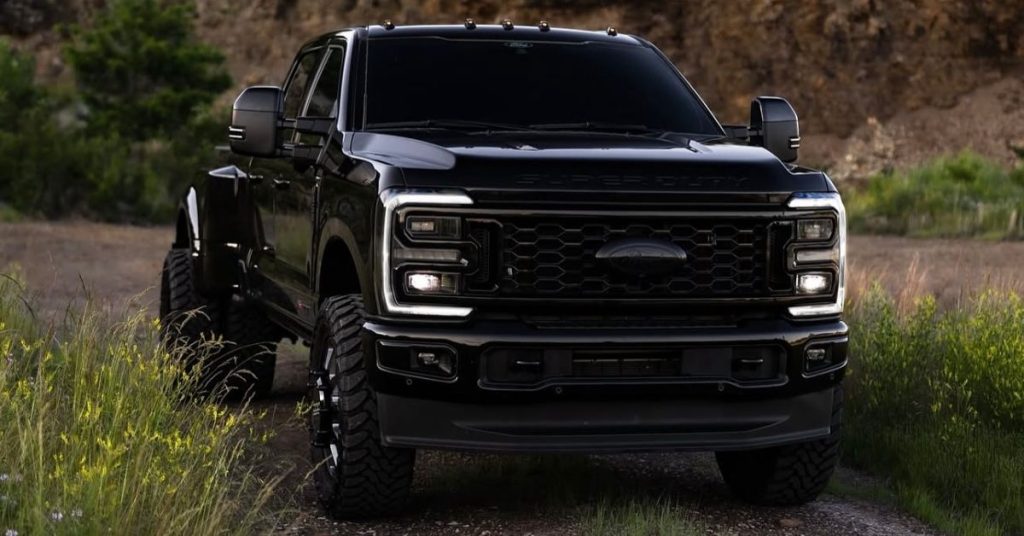
Dually wheels support heavy-duty trucks and require precise mounting systems that ensure safety performance and durability across varied road conditions. These systems determine how load transfers from wheel to hub and affect stability during towing, hauling, and extended highway travel. Many truck owners overlook these details and face vibration or failure that leads to costly repairs and reduced confidence.
Two primary mounting styles exist for dually wheels, and each serves a distinct mechanical purpose that impacts performance under demanding conditions. Hub-centric wheels rely on the hub to center weight, while lug-centric wheels depend on lug nuts for alignment. Understanding the differences between hub and centric dually wheels helps drivers select equipment that reduces stress on components and improves reliability across long-distance travel.
What Defines Hub Centric Wheels
Hub-centric wheels center on the vehicle hub and use a precisely machined bore that matches the hub diameter for an accurate fit. This design allows the hub to carry vehicle weight directly and reduces reliance on lug nuts for alignment during installation. As a result, the wheel seats firmly against the hub face and minimizes vibration across a wide range of driving conditions.
DDC Wheels focuses on hub-centric wheels because this design offers superior load distribution and consistent alignment that supports heavy-duty truck performance under demanding conditions. The hub carries the vehicle’s weight directly, which reduces strain on lug nuts and studs and improves durability across towing and hauling tasks. This approach allows us to deliver products that minimize vibration, enhance ride quality, and provide reliable performance that truck owners can trust.
What Defines Lug Centric Wheels
Lug-centric wheels center on the lug nuts rather than the hub and use tapered seats to achieve alignment during installation. The wheel remains slightly larger than the hub bore and relies on the lug nuts to position it correctly. This design requires careful torque application to ensure proper seating and reduce uneven pressure across studs.
Improper installation can lead to imbalance since alignment depends entirely on lug nut positioning rather than a fixed hub interface. Over time, this can cause vibration and uneven wear if torque patterns or sequences deviate from recommended specifications. However, many older vehicles use this system, and it remains functional when installed correctly with attention to detail.
Installation and Alignment Factors
Hub-centric systems simplify installation because the wheel naturally centers on the hub and reduces guesswork during mounting procedures. Technicians can focus on proper torque application without concern for alignment adjustments since the hub bore ensures consistent positioning. This leads to faster service times and more predictable outcomes during maintenance tasks.
Lug-centric systems demand careful alignment during installation since the wheel must center through lug nut tightening rather than a hub interface. Technicians often use star patterns and gradual torque increases to achieve even seating across all studs. Mistakes during this process can create an imbalance and vibration that affect vehicle comfort and safety.

Impact on Ride Quality
Hub-centric wheels provide a smoother ride quality because alignment remains consistent due to direct hub support throughout operation. Reduced vibration enhances driver comfort and lowers fatigue during long-distance travel across varied terrain conditions. This stability also improves tire wear patterns and extends the lifespan of related suspension components.
Lug-centric wheels can produce acceptable ride quality when installed correctly, but may show slight vibration if alignment shifts over time. Even minor inconsistencies in lug nut torque can lead to noticeable changes in balance at higher speeds. Drivers who prioritize comfort often prefer systems that maintain consistent alignment without reliance on frequent adjustments.
Maintenance and Longevity
Hub-centric designs promote longer component life because load distribution favors the hub rather than placing continuous stress on studs. This reduces wear on lug nuts and threads and lowers maintenance frequency across extended service intervals. Owners benefit from reduced repair costs and improved confidence during demanding hauling tasks.
Lug-centric systems require more frequent inspection to ensure lug nuts maintain proper torque and alignment remains consistent across all wheels. Neglect can result in loosening or uneven pressure that accelerates wear on studs and mounting surfaces. Regular maintenance remains essential to preserve safety and extend service life for these configurations.
Compatibility with Modern Trucks
Many modern heavy-duty trucks support hub-centric wheels because manufacturers design hubs to handle greater loads with improved precision and durability. This compatibility allows drivers to upgrade wheels without compromising safety or performance under demanding conditions. As trucks evolve toward higher towing capacities, hub-centric systems align with these advancements effectively.
Lug-centric systems remain present in older platforms and certain aftermarket applications where compatibility constraints influence wheel selection decisions. Drivers must verify fitment carefully to avoid mismatched components that compromise alignment and safety. Proper selection ensures that each system functions as intended without introducing unnecessary mechanical stress.
Common Problems and Solutions
Drivers often experience vibration or uneven tire wear when wheel mounting systems fail to maintain proper alignment during regular use. These issues stem from improper installation, worn components or mismatched designs that cannot support required loads effectively. Addressing these problems requires careful evaluation of mounting style and component condition before selecting replacement wheels.
DDC Wheels provides engineered solutions that address these challenges through precision manufacturing and compatibility with heavy-duty truck specifications. The designs support reliable performance and reduce the risk of imbalance that affects ride quality and safety during extended use. Choosing our premium dually pickup wheels helps eliminate recurring issues and restores confidence for demanding driving conditions.

Performance Under Heavy Loads
Hub-centric wheels excel under heavy loads because the hub carries weight directly and maintains consistent alignment even during extreme towing scenarios. This reduces strain on studs and improves structural integrity across long-distance hauling operations with minimal maintenance requirements. Drivers who tow frequently benefit from this stability and reduced component fatigue.
Lug-centric wheels can manage heavy loads but depend heavily on proper torque and consistent maintenance to maintain alignment under stress. Any deviation in installation can amplify strain on studs and increase the risk of imbalance during demanding tasks. Careful attention to detail remains essential for safe performance under these conditions.
The differences between hub-centric and lug centric dually wheels center around design purpose, load distribution, and installation methods that directly influence performance and durability. Each system serves specific applications, but modern heavy-duty trucks often benefit from hub-centric designs due to improved stability and reduced stress on components. Understanding these differences allows drivers to make informed decisions that enhance safety and long-term reliability.
Quality solutions provide consistent performance and address common challenges faced during heavy-duty use. A well-informed choice ensures that trucks operate efficiently and maintain confidence across demanding conditions for years.