Forged vs. Cast Dually Wheels in Heavy-Duty Work Applications
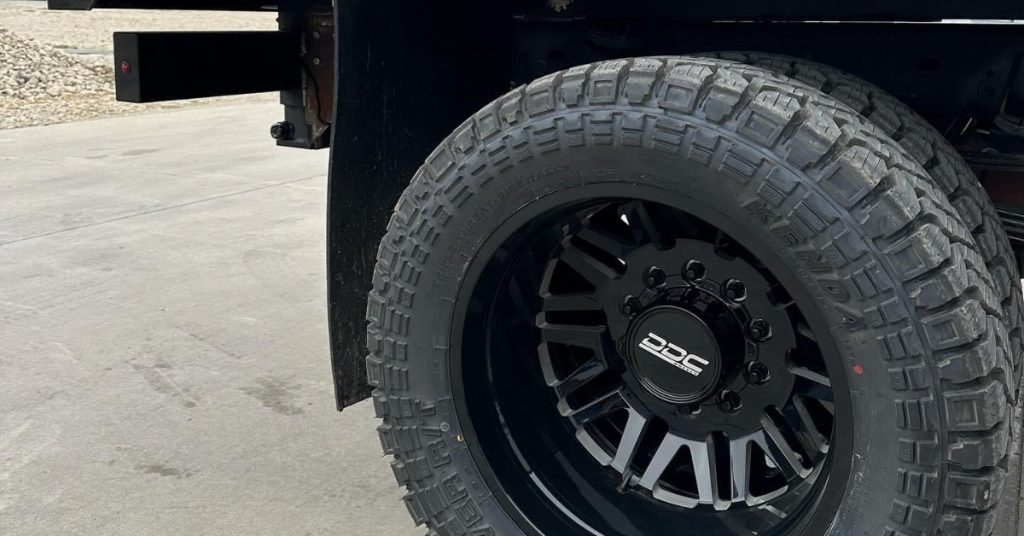
Forged and cast dually wheels shape how a heavy-duty pickup performs under demanding work conditions across varied terrain. Truck owners seek reliability and control when loads increase, and road conditions place constant stress on each component. Wheel construction methods define how each wheel responds under pressure and how it supports overall vehicle balance and durability.
Comparing forged and cast wheels in heavy-duty work applications is essential because each option presents different characteristics that affect performance. Understanding these differences helps owners make informed decisions that support safety and consistent results across daily work demands. These clear insights relate to real-world applications and practical performance expectations.
Material Structure and Formation Methods
Forged wheels form through intense pressure that reshapes solid metal into a dense structure with aligned grain patterns across the entire wheel. This process creates a stronger composition that resists cracks and maintains shape under heavy loads across demanding work environments. The result supports improved durability and consistent strength across varied terrain where heavy trucks operate under constant stress conditions.
Cast wheels form through molten metal poured into molds that shape each wheel with less structural density than forged alternatives. This method creates a more affordable product that still meets standard requirements for moderate workloads and typical daily truck use. However, internal structure lacks the same alignment and density found in forged designs under intense pressure situations.

Strength Under Heavy Load Conditions
Forged wheels deliver superior strength due to compact grain alignment that improves resistance against stress from towing heavy equipment or hauling materials. This structure allows the wheel to handle repeated force without deformation that could compromise safety or performance during extended work operations. Many operators rely on forged designs when tasks involve consistent exposure to high weight demands across rugged terrain.
Cast wheels provide acceptable strength for lighter loads and less demanding applications where stress levels remain within moderate limits across standard conditions. These wheels may struggle under repeated heavy loads that place continuous strain on structural integrity during extended work periods. DDC Wheels offers top-tier forged and cast dually wheel options designed to deliver exceptional strength, stability, and reliability under demanding heavy load conditions.
Weight Differences and Their Impact
Forged wheels often weigh less than cast wheels due to the manufacturing process that removes excess material without compromising structural integrity. Reduced weight helps improve handling and fuel efficiency across daily routes that require consistent performance and reliable control under load. Drivers notice improved responsiveness when trucks carry heavy cargo across long distances with varied terrain conditions.
Cast wheels tend to weigh more due to additional material required to maintain acceptable strength levels through the casting process. Increased weight can affect acceleration and braking performance when combined with heavy payloads and frequent stop conditions during work tasks. This difference becomes more noticeable in demanding environments where every component must operate with maximum efficiency under pressure.
Durability in Harsh Environments
Forged wheels maintain durability in harsh environments where extreme temperatures and constant load changes challenge every part of the vehicle system. Dense structure resists damage from impacts and helps preserve performance across demanding conditions without frequent replacement or repair needs. This reliability supports consistent operation for trucks that serve in construction, transport, and heavy-duty service roles.
Cast wheels may experience more wear when exposed to harsh environments that include uneven surfaces and heavy payload shifts during work operations. Repeated stress can lead to cracks or structural fatigue over time under demanding conditions that exceed moderate use expectations. Operators must monitor the condition closely when trucks operate in environments that challenge wheel integrity on a regular basis.

Performance in Towing and Hauling
Forged wheels provide consistent performance during towing and hauling tasks that place high stress on every wheel across long distances and rough terrain. Strong structure supports stable load distribution that helps maintain control and safety under heavy weight conditions during transport operations. DDC Wheels enhance towing performance with hub-centric designs that improve load distribution, increase stability, and maintain consistent control under heavy hauling conditions.
Cast wheels perform adequately during towing tasks that involve lighter loads and less frequent exposure to extreme stress conditions across daily routes. Performance may decline when loads increase beyond moderate levels and continuous strain affects wheel integrity over time. Drivers must evaluate workload demands before selecting cast options for heavy-duty towing applications.
Heat Resistance and Brake Performance
Forged wheels handle heat more effectively due to dense material composition that disperses thermal energy during braking under heavy load conditions. This characteristic supports stable braking performance and reduces risk of heat-related damage during extended downhill travel or frequent stops. Reliable heat management helps maintain overall safety and control during demanding work operations.
Cast wheels may retain more heat due to a less dense structure that does not dissipate thermal energy as efficiently under heavy braking conditions. Increased heat retention can affect braking performance during extended use in demanding environments that require frequent stops. This limitation becomes more noticeable in applications that involve steep terrain or continuous heavy load transport scenarios.
Maintenance and Longevity Expectations
Forged wheels require less frequent maintenance due to durable construction that resists wear and damage under consistent exposure to demanding work conditions. This resilience supports extended service life and reduces downtime for repairs or replacements across operational schedules. Owners benefit from reliable performance that maintains structural integrity across years of heavy-duty use.
Cast wheels may require more frequent inspection due to increased susceptibility to wear under heavy loads and challenging environmental conditions. Regular checks help identify early signs of fatigue that could lead to structural issues during operation. Maintenance routines become more important when cast wheels serve in demanding roles that exceed moderate workload expectations.
Choosing the Right Wheel for Work Demands
Selecting between forged and cast wheels depends on workload intensity and performance expectations across daily operations in heavy-duty environments. Operators must evaluate how often trucks carry heavy loads and how terrain conditions affect overall vehicle performance during use. Careful assessment ensures that wheel choice aligns with operational demands and long-term reliability goals.
With high-quality f350 dually wheels, your pickup truck will maintain stability, deliver dependable strength, and support consistent performance across demanding work environments. This choice reflects a commitment to reliability that supports safe operation under heavy loads and varied terrain conditions. Investing in the right wheel type ensures that each component contributes to overall vehicle efficiency and durability.
Forged and cast dually wheels each serve specific roles within heavy-duty work applications, with clear differences that affect performance under stress. Forged options provide superior strength, durability, and efficiency that benefit trucks exposed to demanding conditions on a regular basis. Cast alternatives offer affordability and acceptable performance for lighter workloads that do not require maximum structural resilience.
Truck owners must align wheel selection with operational demands to ensure consistent performance, safety, and reliability across all work conditions. Evaluating strength, weight, and durability helps determine the best option for each unique application and workload requirement. DDC Wheels offers both forged aluminum and cast aluminum dually wheels, allowing truck owners to choose between maximum strength and premium performance or a more budget-friendly heavy-duty option.