Ways To Increase Load Stability on GM Dually Trucks
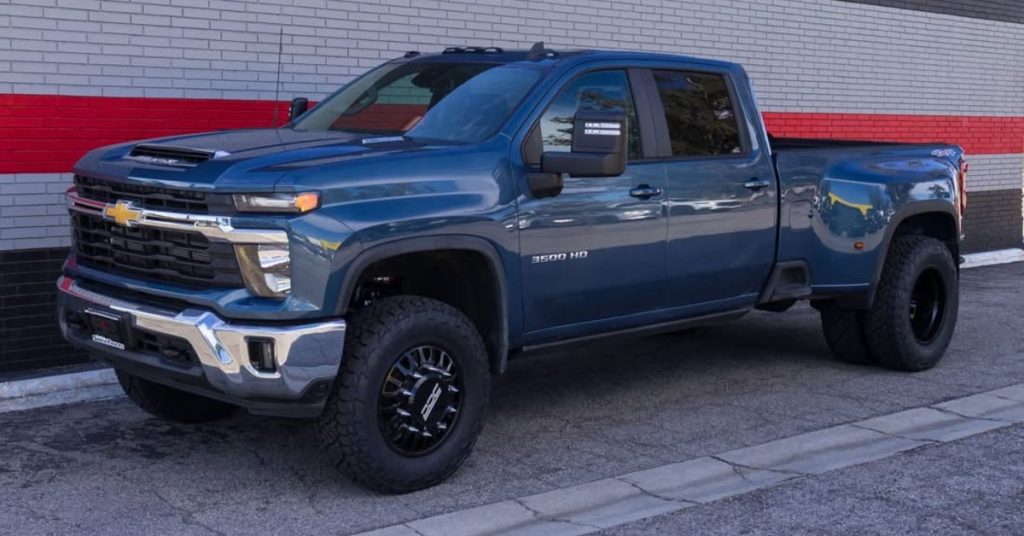
GM dually trucks stand as purpose-built machines that carry heavy payloads with strength, control, and reliability across demanding work environments. Owners rely on these trucks for various tasks that require stability across highways and job sites. Load stability plays a central role in overall truck performance, since even small imbalances can affect steering response, braking distance, and tire wear over time.
A thoughtful approach to setup and maintenance helps ensure the truck remains predictable and supports consistent handling during long hauls. Understanding how to improve load stability on GM dually trucks allows owners to extend vehicle life, improve performance, and maintain confidence behind the wheel in every condition.
Optimize Tire Pressure for Load Conditions
Correct tire pressure supports even weight distribution and prevents sidewall flex that may reduce control under heavy loads during transport. Underinflated tires create heat buildup and uneven wear that can compromise stability and reduce the lifespan of critical components over time. Overinflated tires decrease surface contact and reduce traction, especially when road conditions change during long hauls with varying payload demands.
Drivers should adjust tire pressure according to manufacturer specifications and real payload conditions rather than relying on standard empty vehicle recommendations. Regular pressure checks ensure consistency across dual rear wheels, preventing imbalance that may cause sway or uneven load handling characteristics.
Maintain Proper Weight Distribution
Balanced weight distribution ensures that no single axle bears excessive stress, helping maintain control and prevent dangerous handling behavior during transport operations. Uneven loads can shift the center of gravity and increase sway, especially when navigating turns or uneven road surfaces under heavy payload conditions. Careful placement of cargo improves stability and reduces strain on suspension and braking systems during both acceleration and deceleration phases.
Drivers should position heavier items closer to the truck center and distribute weight evenly across both sides of the vehicle bed. Securing cargo properly prevents movement that can alter balance and create instability during sudden stops or directional changes on highways. Thoughtful load placement supports safer driving conditions and prolongs the durability of essential vehicle components over extended use periods.

Upgrade to High-Quality Dually Wheels
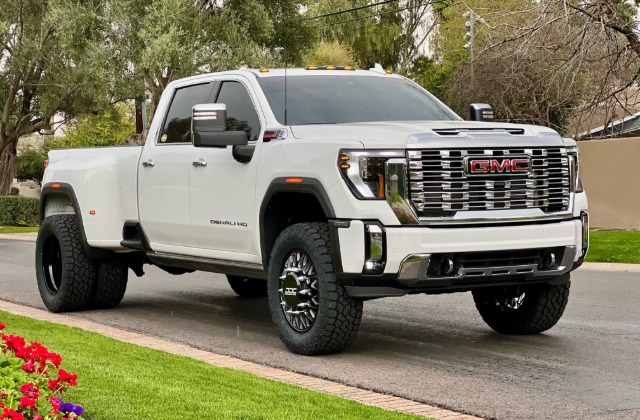
Wheel strength directly affects load stability since weak or poorly designed wheels may flex under stress and reduce overall vehicle control. Stronger wheel construction supports consistent load handling and reduces vibration that can affect suspension alignment and tire wear patterns over time. Investing in our GMC dually wheels will help you maintain structural integrity and improve confidence when carrying heavy loads across challenging routes.
Premium wheel options from DDC Wheels provide enhanced durability and engineered support that address common stability concerns in heavy-duty applications. Their designs focus on load capacity and balance, reducing the risk of deformation under stress while maintaining performance consistency. This upgrade can resolve issues related to uneven wear and improve overall handling stability during high-demand hauling operations.
Reinforce Suspension Components
A strong suspension system supports load stability and absorbs road impacts that may otherwise transfer force directly to the truck frame and wheels. Factory suspension setups may not always meet the demands of consistent heavy hauling, leading to sag or reduced control under stress. Upgraded components, such as heavy-duty shocks and springs, provide better load support and maintain ride height under increased weight conditions.
Enhanced suspension systems reduce body roll and improve handling precision, especially during cornering or when driving across uneven terrain surfaces. These improvements help maintain tire contact with the road, ensuring traction remains consistent even under demanding load conditions. Investing in suspension upgrades can significantly improve both safety and performance during regular hauling operations.
Choose the Right Tire Type
Tire selection plays a major role in maintaining load stability since tread design and construction affect traction and weight support capabilities. Heavy-duty tires with reinforced sidewalls offer better resistance to deformation under load and improve handling consistency across different surfaces. Selecting tires designed for towing or hauling ensures that performance remains reliable under stress and varying environmental conditions.
All-terrain or highway tires should match the primary use of the truck to maximize efficiency and stability during operation. Using inappropriate tire types may reduce grip and increase the likelihood of instability when carrying heavy payloads over long distances. Proper tire choice enhances safety while supporting long-term durability of both tires and associated vehicle components.
Install Load Support Accessories
Additional load support accessories, such as air bags or helper springs, provide adjustable support that enhances stability under varying weight conditions. These systems allow drivers to fine-tune suspension performance based on payload requirements, improving control and reducing strain on existing components. Adjustable support systems help maintain proper ride height and prevent sag that can negatively affect steering and braking performance.
Load support solutions also improve comfort and handling during long hauls by minimizing excessive movement caused by uneven road surfaces. These enhancements ensure that weight remains distributed and reduce the risk of instability during challenging driving situations.

Regularly Inspect Wheel Alignment
Proper wheel alignment ensures that all tires maintain consistent contact with the road surface, supporting stable handling and reducing uneven wear patterns. Misalignment can cause the truck to pull in one direction and create instability that becomes more pronounced under heavy load conditions. Regular alignment checks help maintain control and improve fuel efficiency during extended hauling operations.
DDC Wheels offer engineered solutions that address stability challenges through precision design and durable materials suited for demanding workloads. Their products help eliminate common issues such as imbalance and structural weakness that affect standard wheel options. Choosing these wheels provides a reliable path toward improved stability and long-term performance for GM dually truck owners.
Monitor Load Limits and Ratings
Adhering to manufacturer load limits ensures that all components operate within safe parameters and reduces the risk of structural failure during use. Exceeding rated capacity places excessive stress on tires, wheels, and suspension systems, leading to instability and potential safety hazards. Understanding these limits allows drivers to make informed decisions when loading cargo for transport.
Consistent monitoring of load ratings helps prevent long-term damage and maintains performance reliability under demanding conditions. Drivers who respect capacity guidelines experience fewer mechanical issues and improved handling during heavy-duty operations. Awareness of load limits forms a foundational aspect of maintaining safe and stable vehicle performance.
Improving load stability on GM dually trucks requires attention to multiple factors that work together to support performance and safety during heavy-duty operations. From tire selection and suspension upgrades to proper weight distribution and driving habits, each element plays a role in maintaining control and reliability under load. Strategic upgrades such as high-quality wheels and engineered components further enhance stability and reduce long-term wear.